
Human Relations in Nursing
Professional & Public Relations in Nursing Practice
1. Introduction to Human Relations in Nursing
Human relationships form the cornerstone of effective nursing practice. As a discipline centered on human care, nursing requires mastery of interpersonal skills and relationship-building across multiple contexts. These notes explore the multifaceted dimensions of human relations in nursing, with special focus on professional associations and public relations.
Core Components of Nursing Relationships
- Therapeutic: Nurse-patient relationships that facilitate healing
- Collegial: Relationships with other healthcare professionals
- Organizational: Relationships within healthcare institutions
- Professional: Relationships with governing bodies and associations
- Public: Relationships with communities and the broader public
Understanding these relationships and their unique dynamics helps nurses navigate the complex healthcare environment while maintaining patient-centered care as their primary focus.
2. Therapeutic Relationships
The therapeutic nurse-patient relationship is foundational to nursing practice. This professional connection is purposeful, goal-directed, and focused on meeting patient needs.
Nurse-Patient Therapeutic Relationship Framework
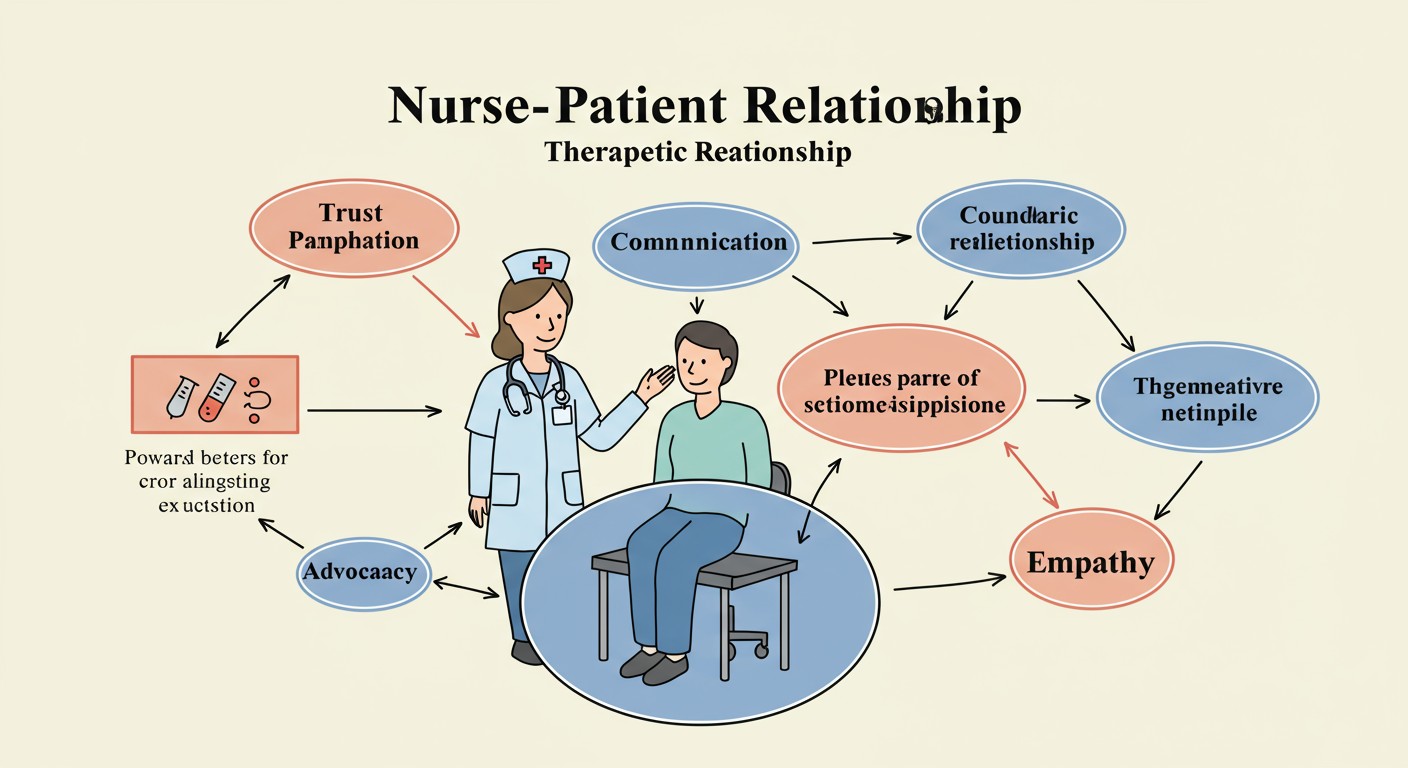
Figure 1: Components of the therapeutic nurse-patient relationship
Phases of Therapeutic Relationships
- Orientation: Initial meeting, establishing trust
- Working: Implementing care plans, addressing concerns
- Resolution: Evaluating outcomes, preparing for termination
- Termination: Concluding the professional relationship
Therapeutic Communication Techniques
- Active listening
- Open-ended questioning
- Clarification and validation
- Empathetic responses
- Cultural sensitivity
- Nonverbal congruence
THERAPEUTIC Relationship Mnemonic
- Trust – Foundation of the relationship
- Honesty – Truthful communication
- Empathy – Understanding patient experience
- Respect – Valuing patient autonomy
- Advocacy – Acting in patient’s best interest
- Professionalism – Maintaining ethical conduct
- Equity – Fair and unbiased approach
- Understanding – Comprehending needs and concerns
- Timeliness – Appropriate response to needs
- Individualization – Personalized care
- Communication – Clear information exchange
3. Interdisciplinary Relationships
Effective healthcare delivery depends on strong interdisciplinary relationships. Nurses function within complex networks of professional interactions that directly impact patient outcomes.
Nursing Communication Networks
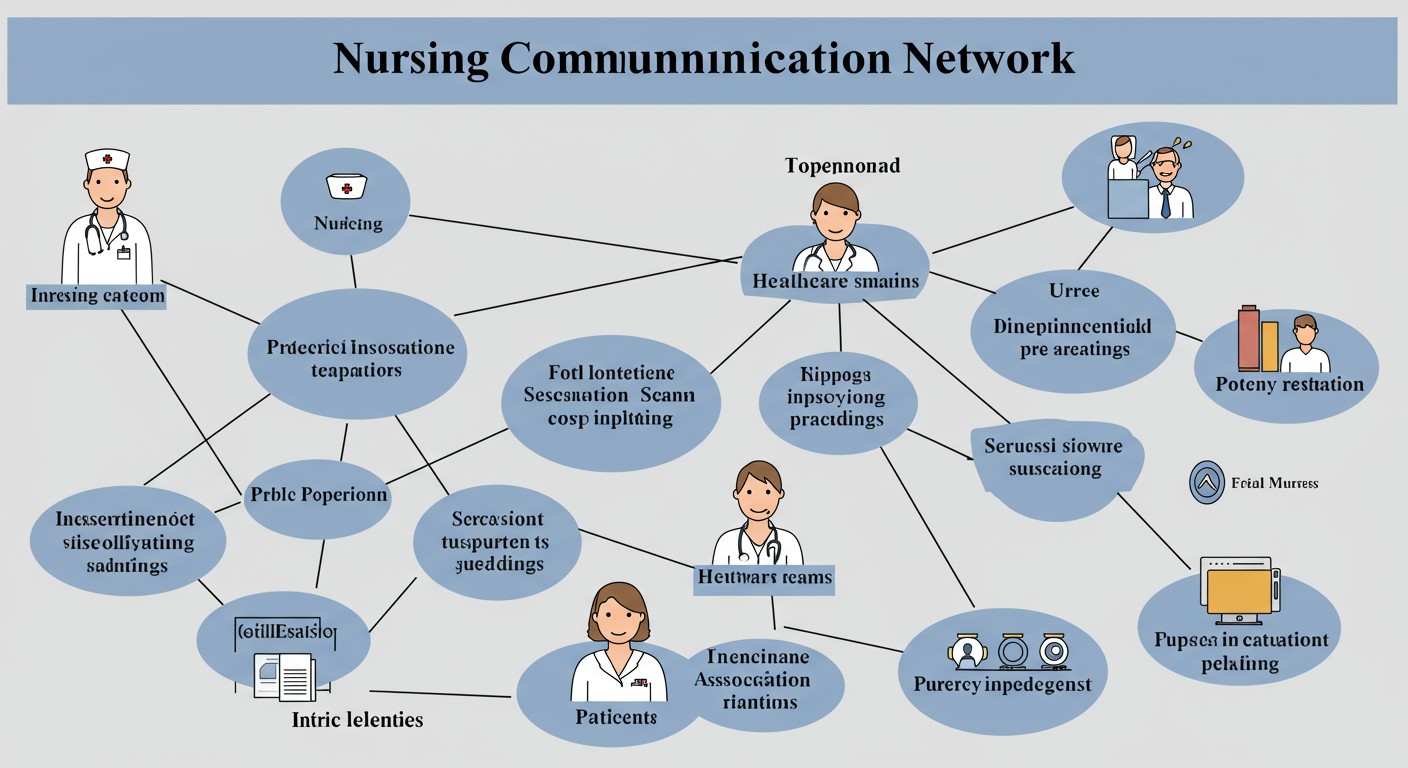
Figure 2: Interconnections in nursing communication networks
Key Interdisciplinary Relationships
-
Nurse-Physician Relationships:
Collaborative partnerships focused on patient care goals. Effective communication between nurses and physicians improves patient outcomes and reduces medical errors.
-
Nurse-Administrator Relationships:
Organizational dynamics that influence workplace culture, resource allocation, and policy implementation. Constructive relationships with administrators help nurses advocate for practice improvements.
-
Nurse-Allied Health Relationships:
Partnerships with physical therapists, respiratory therapists, pharmacists, and others to coordinate comprehensive care plans. These relationships enhance interdisciplinary teamwork.
SBAR Framework for Interdisciplinary Communication
This structured communication tool facilitates clear information exchange between healthcare professionals:
- Situation: Briefly state the problem
- Background: Provide context and relevant history
- Assessment: Share your evaluation and analysis
- Recommendation: Suggest action steps
4. Public Relations in Nursing
Public relations in nursing encompasses the strategic relationships and communications between nurses, healthcare organizations, and the public. These relationships shape the public perception of nursing and influence healthcare access, policy, and patient engagement.
Components of Public Relations
- Media Relations: Interactions with news outlets and journalists
- Community Outreach: Educational programs and health initiatives
- Crisis Communications: Managing public messaging during emergencies
- Reputation Management: Building and maintaining public trust
- Advocacy: Promoting nursing perspectives on health issues
Nursing’s Public Image
Despite consistently ranking as the most trusted profession in public polls, nursing’s media representation often contains stereotypes and misconceptions. Effective public relations helps:
- Correct misconceptions about nursing roles
- Highlight nursing expertise and contributions
- Showcase nursing leadership in healthcare
- Attract qualified candidates to the profession
Strategies for Effective Public Relations
-
Build Media Relationships
Develop connections with healthcare journalists and offer to serve as nursing experts for relevant stories.
-
Share Patient Success Stories
With appropriate consent, highlight positive patient outcomes that demonstrate nursing impact.
-
Leverage Social Media
Maintain professional social media presence to educate the public and showcase nursing practice.
-
Participate in Health Awareness Campaigns
Take visible roles in public health initiatives to demonstrate nursing expertise.
-
Crisis Communication Planning
Develop protocols for consistent, accurate messaging during healthcare emergencies.
P.U.B.L.I.C. Relations Mnemonic
- Promote nursing expertise and accomplishments
- Understand your audience and their needs
- Build relationships with community stakeholders
- Leverage multiple communication channels
- Improve health literacy through public education
- Communicate consistently and transparently
5. Professional Associations & Employee Unions
Nursing professional associations and unions play vital roles in shaping the profession, protecting nurse interests, and advancing healthcare. Understanding these organizations helps nurses establish productive relationships with the entities that influence nursing practice standards, working conditions, and professional development.
Nursing Associations vs. Unions
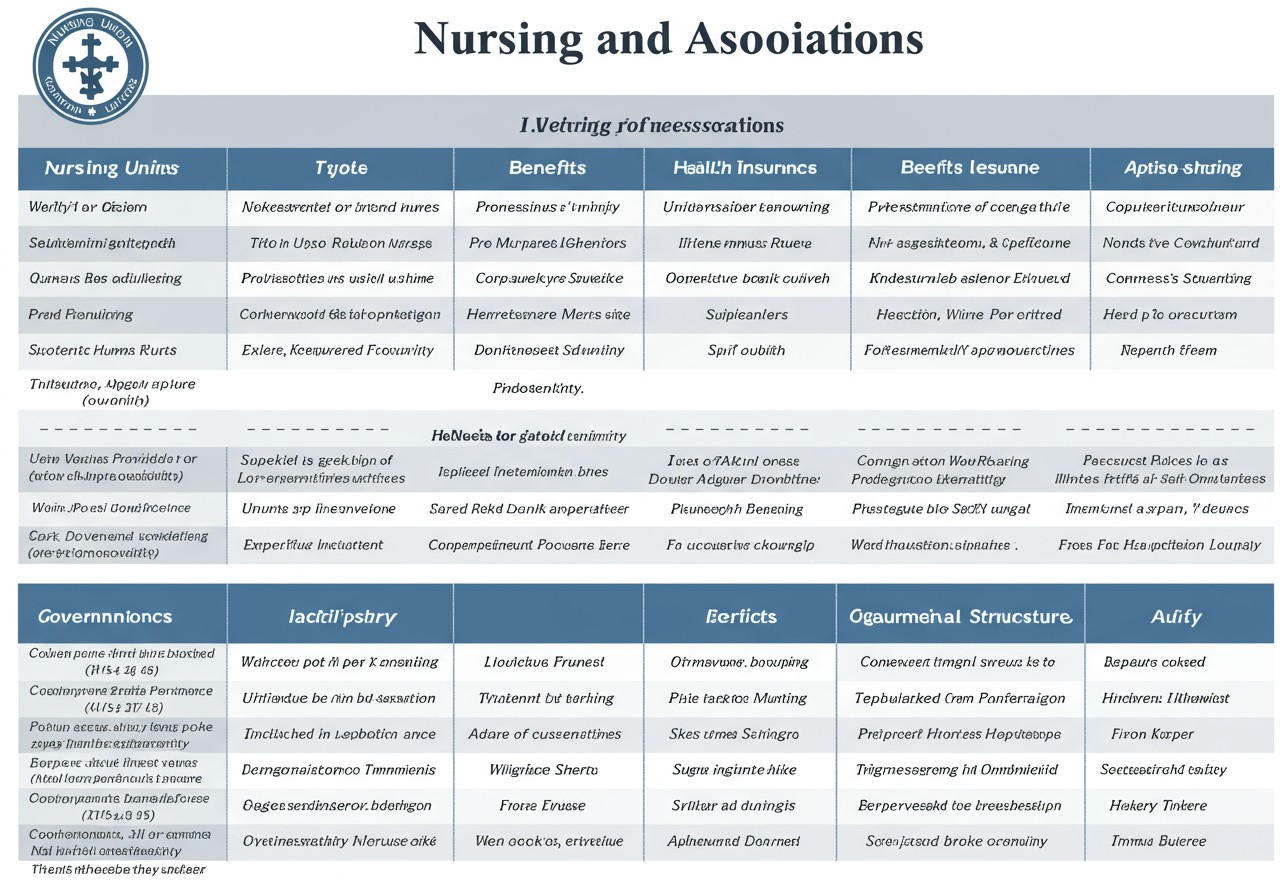
Figure 3: Comparison of nursing professional associations and unions
5.1 Professional Associations
Professional nursing associations focus on advancing the profession through education, research, standard-setting, and public policy. Membership typically offers professional development opportunities, networking, certification programs, and advocacy.
Key Nursing Professional Associations
| Association | Focus Area | Key Offerings |
|---|---|---|
| American Nurses Association (ANA) | All nursing specialties | Standards of practice, code of ethics, certification, advocacy |
| National League for Nursing (NLN) | Nursing education | Faculty development, research grants, accreditation |
| International Council of Nurses (ICN) | Global nursing | International standards, global health advocacy |
| Specialty Nursing Associations | Specific practice areas | Specialized certification, targeted education |
Benefits of Association Membership
- Access to continuing education
- Professional certification opportunities
- Networking with colleagues
- Journal subscriptions and resources
- Leadership development opportunities
- Professional liability insurance
- Advocacy for nursing policy issues
Establishing productive relationships with professional associations helps nurses stay current with evolving standards, contribute to the profession’s development, and access resources that enhance practice.
5.2 Employee Unions
Nursing unions focus primarily on employment conditions, including wages, benefits, staffing ratios, and workplace safety. Through collective bargaining, unions negotiate contracts that establish these terms with employers.
Major Nursing Unions
- National Nurses United (NNU)
Largest nursing union in US, focuses on workplace advocacy - Service Employees International Union (SEIU)
Represents healthcare workers across multiple settings - State Nurses Associations
Many function as both professional association and collective bargaining unit
Union Functions
- Collective Bargaining
Negotiate contracts for wages, hours, and working conditions - Grievance Procedures
Represent nurses in workplace disputes - Workplace Safety
Advocate for safe nurse-patient ratios and protection from workplace hazards - Legislative Advocacy
Lobby for laws that protect nurses and patients
Establishing Effective Union Relationships
- Understand your contract provisions and rights
- Participate in union meetings and activities
- Communicate concerns through appropriate channels
- Consider serving as a unit representative
- Balance individual needs with collective interests
- Maintain professional conduct during labor disputes
6. Challenges & Conflict Resolution in Professional Relationships
Professional relationships in nursing inevitably encounter challenges and conflicts. Developing effective resolution strategies preserves working relationships and maintains quality patient care.
Common Relationship Challenges
- Communication breakdowns
- Role ambiguity and overlap
- Conflicting priorities
- Generational differences
- Power imbalances
- Workplace bullying
- Moral distress
Conflict Resolution Approaches
- Direct communication
- Active listening
- Interest-based problem solving
- Mediation
- Chain of command escalation
- Formal grievance procedures
Preventative Strategies
- Clear role definitions
- Regular team meetings
- Interprofessional education
- Conflict management training
- Just culture implementation
- Incivility prevention policies
R.E.S.P.E.C.T. Conflict Resolution Mnemonic
- Recognize the conflict exists
- Engage directly with involved parties
- State concerns using “I” statements
- Perspective-taking to understand other viewpoints
- Explore mutually beneficial solutions
- Commit to resolution actions
- Track progress and follow up
7. Professional Relationships in the Digital Era
Digital technologies have transformed how nurses establish and maintain professional relationships. From telehealth to social media, these platforms create new opportunities and challenges for nursing communications.
Digital Relationship Contexts
| Digital Context | Relationship Opportunities | Relationship Challenges |
|---|---|---|
| Telehealth | Expanded access to care, continuity of relationships | Technology barriers, limited nonverbal cues |
| Electronic Health Records | Improved information sharing among healthcare team | Screen time vs. face-to-face interactions |
| Social Media | Professional networking, knowledge sharing | Professional boundary concerns, privacy risks |
| Virtual Teams | Collaboration across distances, scheduling flexibility | Team cohesion challenges, communication gaps |
Best Practices for Digital Professional Relationships
-
Maintain Professional Boundaries
Separate personal and professional online presences; follow institutional social media policies.
-
Protect Privacy and Confidentiality
Never share patient information on public platforms; use secure channels for professional communications.
-
Enhance Digital Communication Skills
Develop clear writing, active virtual listening, and effective video conferencing techniques.
-
Balance Technology and Human Connection
Use technology to enhance rather than replace meaningful human interactions when possible.
-
Practice Digital Professionalism
Maintain professional demeanor in all online interactions; remember that digital communications create permanent records.
8. Summary & Key Points
Essential Concepts in Nursing Human Relations
-
Therapeutic Relationships:
The foundation of nursing practice, requiring trust, empathy, communication, and professional boundaries to promote patient healing and wellbeing.
-
Interdisciplinary Relationships:
Collaborative partnerships with healthcare team members that strengthen care coordination and improve patient outcomes through effective communication.
-
Public Relations:
Strategic communications and outreach that shape public perceptions of nursing, educate communities, and advocate for health promotion and disease prevention.
-
Professional Associations:
Organizations that advance nursing through education, research, standards development, and advocacy, offering professional development and networking opportunities.
-
Employee Unions:
Organizations focused on workplace conditions, compensation, and nurse advocacy through collective bargaining and grievance procedures.
-
Conflict Resolution:
Essential skills for maintaining productive relationships and effective teamwork in high-stress healthcare environments.
-
Digital Professional Relationships:
Evolving forms of connection and communication that require adaptation of traditional relationship principles to virtual environments.
Clinical Application
Strong human relationships in nursing practice lead to:
- Improved patient outcomes and satisfaction
- Enhanced teamwork and interdisciplinary collaboration
- Reduced medical errors and adverse events
- Increased nurse job satisfaction and retention
- More effective advocacy for patients and the profession
- Better working conditions through collective action
- Positive public perception of nursing’s value