Specimen Collection: Comprehensive Nursing Notes
A Complete Guide for Nursing Students
Table of Contents
Introduction to Specimen Collection
Specimen collection is a fundamental nursing skill that serves as the foundation for accurate diagnosis, treatment monitoring, and patient care planning. The quality of laboratory results directly depends on the proper collection, handling, and transportation of specimens. As nurses, we are often the first and last healthcare professionals in the specimen collection chain, making our role crucial in ensuring diagnostic accuracy.
Key Learning Objectives
- Master the fundamental principles of specimen collection
- Identify different types of specimens and their purposes
- Apply proper collection techniques for various specimen types
- Select appropriate containers and preservation methods
- Implement safe transportation protocols
- Practice universal precautions and infection control measures
Principles of Specimen Collection
Mnemonic: “CLEAN SAMPLES”
- C – Correct patient identification
- L – Label specimens immediately
- E – Ensure proper timing
- A – Aseptic technique
- N – Note special requirements
- S – Sterile containers when needed
- A – Adequate specimen volume
- M – Minimize contamination
- P – Proper preservation
- L – Laboratory transport promptly
- E – Education of patient
- S – Safety precautions always
Core Principles Explained
1. Patient Identification and Safety
Always verify patient identity using at least two identifiers (name, date of birth, medical record number) before collecting any specimen. This prevents potentially dangerous mix-ups in diagnostic results.
2. Timing and Sequence
Many specimens are time-sensitive or require collection at specific intervals. Understanding peak and trough levels, circadian rhythms, and medication timing is essential for accurate results.
3. Contamination Prevention
Maintaining sterility and preventing cross-contamination through proper hand hygiene, use of personal protective equipment, and aseptic technique is paramount.
4. Specimen Integrity
Ensuring specimens maintain their cellular and chemical composition from collection to analysis through proper handling, storage temperature, and timely transport.
Types of Specimens
Blood Specimens
- Venous blood
- Arterial blood
- Capillary blood
- Blood cultures
- Coagulation studies
Urine Specimens
- Random urine
- Clean-catch midstream
- 24-hour collection
- Catheterized specimen
- Pediatric collection
Microbiology
- Wound cultures
- Throat cultures
- Sputum specimens
- Stool cultures
- CSF specimens
Detailed Specimen Classifications
| Specimen Type | Primary Uses | Special Considerations | Collection Priority |
|---|---|---|---|
| Venous Blood | Complete blood count, chemistry panels, drug levels | Fasting requirements, medication timing | High |
| Arterial Blood | Blood gas analysis, pH, oxygen saturation | Immediate transport, heparinized syringe | Critical |
| Blood Culture | Bacterial infection detection, sepsis diagnosis | Strict aseptic technique, multiple sites | Critical |
| Clean-Catch Urine | Urinalysis, culture, microscopy | Proper cleansing technique, midstream collection | Moderate |
| 24-Hour Urine | Kidney function, hormone levels, protein | Complete collection, preservatives, refrigeration | High |
| Sputum | Respiratory infections, tuberculosis, cytology | Deep cough, morning specimen preferred | Moderate |
| Cerebrospinal Fluid | Meningitis, neurological conditions | Sterile collection, immediate transport | Critical |
| Wound Culture | Infection identification, antibiotic sensitivity | Clean wound surface, rotate swab | High |
Collection Techniques & Special Considerations
Blood Collection Techniques
Venipuncture Procedure Flow
Verify Patient
Identity
Hand Hygiene
& PPE
Select & Prep
Site
Apply
Tourniquet
Perform
Venipuncture
Label & Transport
Specimens
Critical Considerations
- Never draw blood from same arm as IV infusion
- Release tourniquet before removing needle
- Follow proper order of draw for multiple tubes
- Invert tubes gently to mix with additives
- Apply pressure for adequate hemostasis
Timing Considerations
- Fasting specimens: 8-12 hours NPO
- Peak drug levels: 30-60 minutes post-dose
- Trough levels: immediately before next dose
- Cardiac enzymes: serial collections
- Blood cultures: before antibiotic administration
Urine Collection Techniques
Random Specimen
Most convenient, suitable for routine urinalysis. Collect in clean container without special preparation.
Clean-Catch Midstream
Gold standard for culture. Requires proper perineal cleansing and midstream collection technique.
24-Hour Collection
Quantitative analysis requiring complete collection over 24 hours with appropriate preservatives.
Clean-Catch Technique: “CLEAN & CATCH”
- C – Cleanse perineal area
- L – Label container before collection
- E – Empty bladder partially first
- A – Avoid touching container rim
- N – Never stop midstream collection
- C – Catch midstream portion
- A – Adequate volume (10-15 mL minimum)
- T – Transport to lab within 2 hours
- C – Cool specimen if delayed transport
- H – Handle with standard precautions
Microbiology Specimen Collection
Wound Culture Technique
- Clean wound with sterile saline (remove debris/exudate)
- Use sterile swab to collect specimen from wound bed
- Rotate swab while applying gentle pressure
- Avoid contamination from surrounding skin
- Place swab in transport medium immediately
- Label and transport within 2 hours
Throat Culture Technique
- Position patient with mouth wide open
- Use tongue depressor to visualize throat
- Swab posterior pharynx and tonsillar areas
- Avoid touching teeth, tongue, or buccal surfaces
- Rotate swab to collect adequate material
- Place in appropriate transport medium
Infection Control for Microbiology
- Use strict aseptic technique for all collections
- Avoid contamination from normal flora
- Collect specimens before antibiotic therapy when possible
- Transport specimens in appropriate media
- Maintain cold chain for fastidious organisms
Appropriate Containers
Blood Collection Tubes
Red Top
No additive
Purple/Lavender
EDTA
Light Blue
Sodium Citrate
Green
Heparin
Gray
Fluoride
Yellow
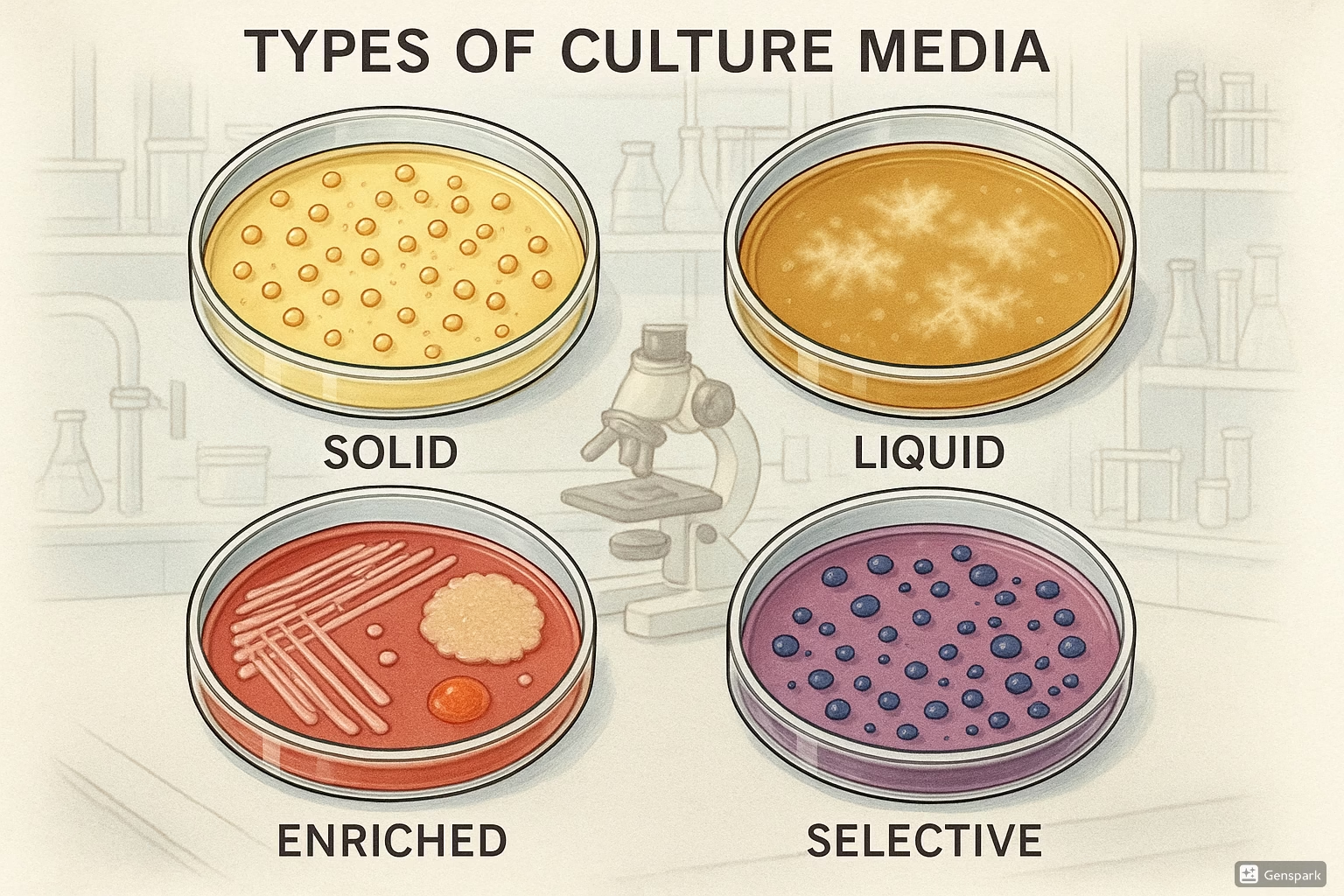
Culture Media
Order of Draw Mnemonic: “Red Light Green Blood Yellow”
- Blood culture bottles (sterile specimens first)
- Light blue (coagulation studies)
- Red/Gold (chemistry, serology)
- Green (chemistry with heparin)
- Purple/Lavender (hematology)
- Gray (glucose, lactate)
| Container Type | Additive/Preservative | Common Uses | Special Handling |
|---|---|---|---|
| Red Top | None (clot activator in some) | Chemistry, serology, immunology | Allow to clot 30-60 min |
| Purple/Lavender (EDTA) | EDTA (anticoagulant) | CBC, blood bank, molecular | Invert 8-10 times |
| Light Blue | Sodium citrate | Coagulation studies (PT, PTT) | Fill to exact volume, invert 3-4 times |
| Green | Heparin | Chemistry requiring plasma | Invert 8-10 times |
| Gray | Potassium oxalate/sodium fluoride | Glucose, lactate, alcohol | Prevents glycolysis |
| Yellow (Culture) | Growth medium | Blood cultures | Incubate at body temperature |
Urine Containers
- Sterile container: Culture and sensitivity
- Non-sterile container: Routine urinalysis
- 24-hour container: Large volume with preservatives
- Pediatric collection bag: Infants and toddlers
- Straight catheter collection: Sterile technique required
Stool Containers
- Sterile container: Culture for pathogens
- Preservative vials: Ova and parasites
- Cards/slides: Occult blood testing
- Clean container: Routine examination
- Frozen transport: Special studies
Transportation of Samples
Transportation Workflow
Collection
Proper technique
Immediate labeling
Storage
Temperature
control
Transport
Safe handling
Time limits
Analysis
Laboratory
processing
Temperature Requirements
Frozen (-20°C)
- Enzyme studies
- Some hormone assays
- Genetic material
- Special chemistry panels
Refrigerated (2-8°C)
- 24-hour urine collections
- Blood gas specimens
- Some microbiology cultures
- Ammonia levels
Room Temperature
- Most chemistry specimens
- Serology tests
- Blood bank specimens
- Most hematology tests
Time-Sensitive Specimens
Critical Timing Requirements
STAT (Immediate – <1 hour)
- Blood gases (15 minutes maximum)
- Cardiac enzymes (emergency)
- Blood glucose (critical values)
- Blood cultures (sepsis workup)
- CSF specimens (meningitis)
Routine (within 2-4 hours)
- Complete blood count
- Basic metabolic panel
- Liver function tests
- Urinalysis
- Coagulation studies
Transportation Safety
Packaging Requirements
- Leak-proof primary containers
- Absorbent material for spill protection
- Secondary containment for high-risk specimens
- Appropriate biohazard labeling
- Temperature monitoring devices when needed
Chain of Custody
- Complete documentation trail
- Secure transport containers
- Personnel identification requirements
- Time and date tracking
- Temperature log maintenance
Staff Precautions & Safety
Universal Precautions
Treat all specimens as potentially infectious. Every specimen collection must follow standard precautions regardless of the patient’s known infection status.
Always Required:
- Hand hygiene before and after patient contact
- Appropriate personal protective equipment
- Safe needle handling and disposal
- Proper specimen labeling and containment
- Environmental cleaning and disinfection
Never Acceptable:
- Recapping needles
- Overfilling sharps containers
- Eating or drinking in specimen areas
- Mouth pipetting
- Leaving specimens unattended
Personal Protective Equipment (PPE)
Gloves
Non-sterile for most collections
Sterile for blood cultures
Face Protection
Masks and eye protection
for splash risk procedures
Gowns
Fluid-resistant protection
for high-risk collections
Footwear
Closed-toe shoes
Fluid-resistant preferred
Exposure Management
Needlestick/Sharps Injury Protocol
Immediate Care: Clean wound with soap and water, apply pressure if bleeding
Report: Notify supervisor and employee health immediately
Document: Complete incident report within specified timeframe
Evaluate: Assess source patient risk factors and exposure severity
Follow-up: Obtain baseline testing and follow medical recommendations
Specimen Handling Safety
Safe Practices
- Use mechanical devices instead of fingers for tube removal
- Transport specimens in leak-proof containers
- Place sharps in puncture-resistant containers immediately
- Clean spills with appropriate disinfectant
- Separate clean and contaminated areas
- Use biosafety cabinets for high-risk procedures
Emergency Procedures
- Know location of emergency eyewash stations
- Understand spill cleanup procedures
- Have emergency contact numbers readily available
- Keep post-exposure prophylaxis protocols accessible
- Maintain current vaccinations (Hepatitis B)
- Report all exposures regardless of severity
Nursing Implementation
Clinical Decision-Making Framework
Assessment
Review orders, patient condition, contraindications
Planning
Select technique, gather supplies, patient preparation
Implementation
Execute collection using proper technique and safety
Evaluation
Monitor results, patient response, follow-up needs
Patient Education Components
Pre-Collection Education
- Explain the purpose and procedure
- Discuss any preparation requirements
- Address patient concerns and anxiety
- Obtain informed consent when required
- Review medication restrictions
- Explain timing requirements
Post-Collection Care
- Provide immediate aftercare instructions
- Monitor for immediate complications
- Explain when results will be available
- Give activity restrictions if applicable
- Schedule follow-up appointments
- Provide emergency contact information
Quality Assurance Measures
Critical Quality Checkpoints
Pre-analytical
- Patient identification verification
- Order accuracy confirmation
- Proper preparation compliance
- Equipment functionality check
Analytical
- Correct collection technique
- Appropriate container selection
- Adequate specimen volume
- Proper labeling completion
Post-analytical
- Timely transportation
- Temperature maintenance
- Chain of custody integrity
- Documentation completeness
Common Challenges & Solutions
Challenge: Difficult Venipuncture
Solutions: Use warming packs, position patient properly, consider alternative sites, request experienced personnel, consider capillary collection when appropriate.
Challenge: Contaminated Specimens
Solutions: Reinforce proper technique, provide additional patient education, use sterile collection methods, improve environmental controls.
Challenge: Patient Anxiety/Non-compliance
Solutions: Provide emotional support, use distraction techniques, explain procedures clearly, involve family support, consider alternative collection methods.
Challenge: Time-sensitive Collections
Solutions: Develop collection schedules, coordinate with laboratory, use stat protocols, ensure adequate staffing during peak times.
Documentation Requirements
Documentation Mnemonic: “TIME STAMPED”
- T – Time and date of collection
- I – Identification verification method
- M – Method of collection used
- E – Equipment and containers used
- S – Site of collection (if applicable)
- T – Transportation method and time
- A – Any complications or issues
- M – Medical record number
- P – Personnel involved
- E – Education provided to patient
- D – Disposition and follow-up plans
Key Takeaways & Summary
Essential Nursing Competencies
Technical Skills
- Master aseptic collection techniques
- Select appropriate containers and preservatives
- Maintain specimen integrity during transport
- Apply universal precautions consistently
Clinical Judgment
- Recognize collection priorities and timing
- Adapt techniques to patient conditions
- Identify potential sources of error
- Make informed decisions about specimen quality
Final Mnemonic for Excellence: “PERFECT SPECIMENS”
- P – Patient safety first
- E – Education for patient and self
- R – Right patient, right time, right test
- F – Follow proper procedures
- E – Equipment selection matters
- C – Contamination prevention
- T – Transport with care
- S – Safety precautions always
- P – Preserve specimen integrity
- E – Excellence in documentation
- C – Communication with team
- I – Immediate attention to STAT orders
- M – Monitor for complications
- E – Evaluate outcomes continuously
- N – Never compromise on quality
- S – Support patient throughout process